Reiki Healing: What It Is, How It Works and What to Expect
By Raheelaa Ahmad · Published
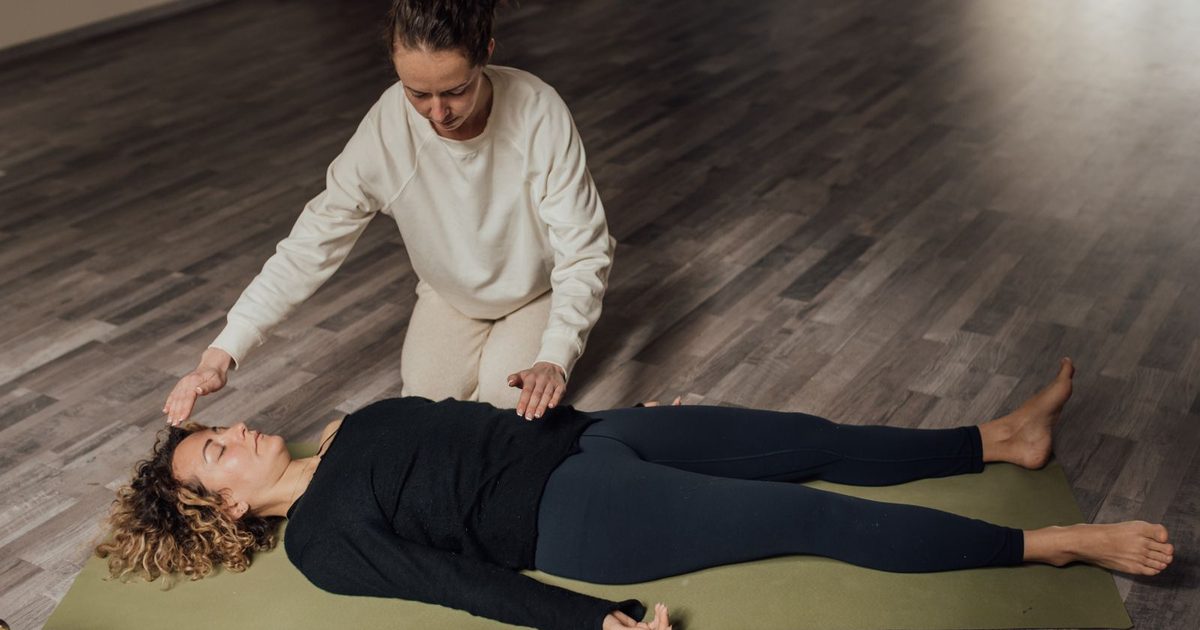
Reiki is a gentle Japanese technique for stress relief and deep relaxation. During a session you stay fully clothed, lying down or seated, while the practitioner rests their hands on or just above your body. Sessions are available in person in Lahore and online.
What is Reiki?
Reiki (pronounced ray-key) comes from two Japanese words: rei, often translated as universal, and ki, the life energy that flows through every living thing. The practice began in Japan in the early 1900s and has since spread to spas, wellness centres and hospitals around the world, including in Pakistan.
A Reiki session is simple and non-invasive. There is no massage and no undressing. You remain fully clothed while the practitioner places their hands lightly on or just above different parts of your body — usually the head, shoulders, torso and legs — for a few minutes at a time. The practitioner acts as a channel for energy; there is nothing for you to do except receive.
What does the research say?
Reiki is a complementary practice, which means it is used alongside conventional care rather than instead of it. The National Center for Complementary and Integrative Health (NCCIH) notes that the evidence base for Reiki is limited and mixed, but that some studies have found that people report reduced stress, anxiety and pain after sessions. Reiki is offered in some hospitals and hospices as a supportive therapy.
Honest expectations matter: research on energy healing is still evolving, and results vary from person to person. What people consistently describe is a feeling of deep rest — a pause that modern life rarely allows.
Benefits people commonly report
While Reiki is not a medical treatment and is not a cure for any condition, people who receive it often report:
- Deep relaxation and a sense of calm during and after the session
- Easier settling at bedtime and more restful sleep
- Release of tension held in the body, especially around the head, neck and shoulders
- A clearer, quieter mind after periods of stress or overthinking
- Emotional balance — many people say they feel lighter or more centred afterwards
- A supportive ritual of self-care alongside therapy, exercise or medical treatment
What happens during a session?
Your first session usually begins with a short conversation about what brings you in and what you would like support with. You then lie down on a couch or mat, fully clothed, with a blanket if you like. The practitioner rests their hands on or above different areas of your body, moving at a slow, unhurried pace.
There is nothing you need to do. Some people feel warmth, tingling or gentle pulses of sensation; others simply feel relaxed, and a few doze off — which is welcome. Sessions typically last 45 to 60 minutes. Afterwards, most people take a few minutes to sit up slowly, drink some water and go about their day feeling calmer than when they arrived.
Reiki in person in Lahore or online
Choose an in-person session in Lahore if you enjoy face-to-face contact and the atmosphere of a quiet, private treatment room. Choose an online or distance session if you live outside the city, travel often, or simply prefer to receive Reiki in your own home. With distance sessions you join by video call, lie down in your own space, and the practitioner works with you remotely. Both formats are part of everyday practice for many Reiki clients.
How Raheelaa Ahmad works with Reiki
Raheelaa Ahmad is a Reiki Grand Master and an integrative, trauma-informed psychotherapist with over 15 years of experience. Her Reiki sessions are gentle and paced to your comfort, with clear communication throughout — useful if this is your first experience of energy work. Because she is also a trained psychotherapist, her approach holds emotional safety and choice at the centre, and she is happy to complement Reiki with talking therapy where that fits your goals.
Reiki is also something you can learn. Raheelaa runs Reiki Level 1, Level 2, Level 3 and Master level training workshops, where participants learn the practice, receive an attunement and gain certificates recognised at an international level. Her training is affiliated with the International Center for Reiki Training (ICRT), the worldwide standard body for Reiki education and certification.
Is Reiki safe?
Reiki is gentle and there are no known harmful side effects. It involves light touch or no touch at all, so it is suitable for most people, including those who find deep-tissue bodywork uncomfortable. Reiki complements medical care — it does not replace it. If you have a health condition, keep your doctor informed and continue any treatment you have been prescribed.
Frequently asked questions
What does a Reiki session feel like?
People describe warmth, a gentle tingling, waves of calm or simply deep rest. Some feel a lot, others feel very little during the session — both responses are completely normal.
How long is a Reiki session?
Most sessions last around 45 to 60 minutes, including a short conversation beforehand and a little time to settle afterwards.
Do I need to believe in Reiki for it to work?
No. You do not need any particular belief system. Arriving with an open and curious mind is enough.
Can Reiki be given online?
Yes. Many practitioners, including Raheelaa, offer distance Reiki sessions online, alongside in-person sessions in Lahore.
Is Reiki a religion?
No. Reiki is not a religion and has no doctrine. People of all faiths and backgrounds practise and receive Reiki.
Can I learn Reiki myself?
Yes. Reiki is taught in levels. Raheelaa offers Reiki Level 1, Level 2, Level 3 and Master level training workshops where you learn the practice and receive an attunement, with certificates recognised internationally through her affiliation with the International Center for Reiki Training (ICRT).
Book an appointment · Explore Reiki · About Raheelaa
About the author
Raheelaa Ahmad is an integrative, trauma-informed psychotherapist, Reiki Grand Master and yoga teacher based in Lahore, Pakistan, offering sessions in person and online. She holds a Level 5 diploma in psychotherapy and counselling (UK) and has over 15 years of experience in therapy, counselling and training.
This article is for general information only. It is not a diagnosis or a substitute for professional medical or mental health advice.